



What is PROWD?
PROWD (PROximity Without Density) rethinks the 15-minute city for low-density urban areas on the metropolitan fringe. Instead of relying on costly infrastructure or urban densification, it focuses on reducing car dependency by recognizing and building on existing “non-conventional” initiatives already promoted by residents, associations, and small enterprises in fields such as education, healthcare, sport and well-being, trade, and mobility.
Based on a critical review of these niche initiatives, PROWD tests transition pathways in four low-density EU urban areas on the outskirts of capital cities. Through local co-design workshops with residents and stakeholders, the project identifies and interprets ongoing and potential innovations in public services, proximity trade, and mobility. This strategic knowledge feeds into “collaborative pacts” between local administrations and stakeholders, formalizing shared commitments to support and scale up proximity-based solutions.
Our Objectives
PROWD aims to build strategic knowledge on how low-density urban areas at the edges of European capitals can respond to metropolitan development crises in line with the 15-minute city principle. It explores non-conventional initiatives and “daily ecosystems” that connect services such as education, health, culture, mobility, and food, seeking ways to reduce car dependence, strengthen institutional proximity, and ensure that the needs of diverse residents including children, elderly people, women, and newcomers are fully recognized.
To do this, PROWD conducts experimentation in four demonstration areas in the metropolitan regions of Rome, Bucharest, Vilnius, and Lisbon, each focusing on specific local conditions and target groups. Through qualitative research, co-creation workshops, and dialogue with local stakeholders, the project develops place-based solutions and co-designed transition paths, supported by a web platform and app that map nearby services, offer personalized recommendations, and promote sustainable mobility, leaving a lasting digital and governance legacy for residents in low-density urban areas.
Challenges
The challenges we face are ensuring timely collection and analysis of data in our case-study areas, maintaining strong and long-term engagement from a diverse range of local stakeholders, and developing a robust, user-friendly digital platform that can effectively support the transition toward 15-minute city solutions in low-density urban areas.
What does PROWD mean to you?
Testimonies from experts in our consortium
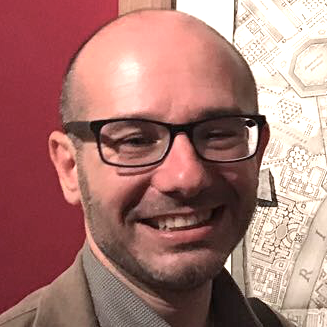
Mauro Baioni
Doctor in spatial and urban planning
I am an urban planner with a Ph.D. in Urban Policies. Currently, I am a fixed-term researcher and professor at the Urban Planning Laboratory in the Department of Architecture at the University of Roma Tre. “The Prowd project offers a valuable opportunity to advance a line of research I have been pursuing for over a decade on the processes of urbanization in the Roman area. In particular, it allows me to further investigate how emerging spatial configurations — progressively distancing from the traditional model of the compact city — are reshaping the meanings of public space, social proximity, and heritage. These transformations call for renewed forms of public action, capable of supporting and legitimizing innovative practices.
Adelin Lazăr
geographer / urban2020 managing director
The PROWD project is particularly meaningful to me, as it embodies a convergence of my longstanding interests in urban sprawl, territorial systems, and sustainable mobility. By rethinking the 15-Minute City model for low-density urban areas, PROWD proposes an innovative, community-driven approach to enhancing proximity and accessibility without relying on densification or large-scale infrastructure. It was an honour to contribute to the proposal and to now collaborate with an exceptional consortium of European institutions, including the University of Bucharest, my alma mater, and the Bucharest Metropolitan Area. This achievement allowed me to give back to the academic community that shaped me while working toward a more inclusive and sustainable future for peripheral urban areas like my hometown, Bucharest.
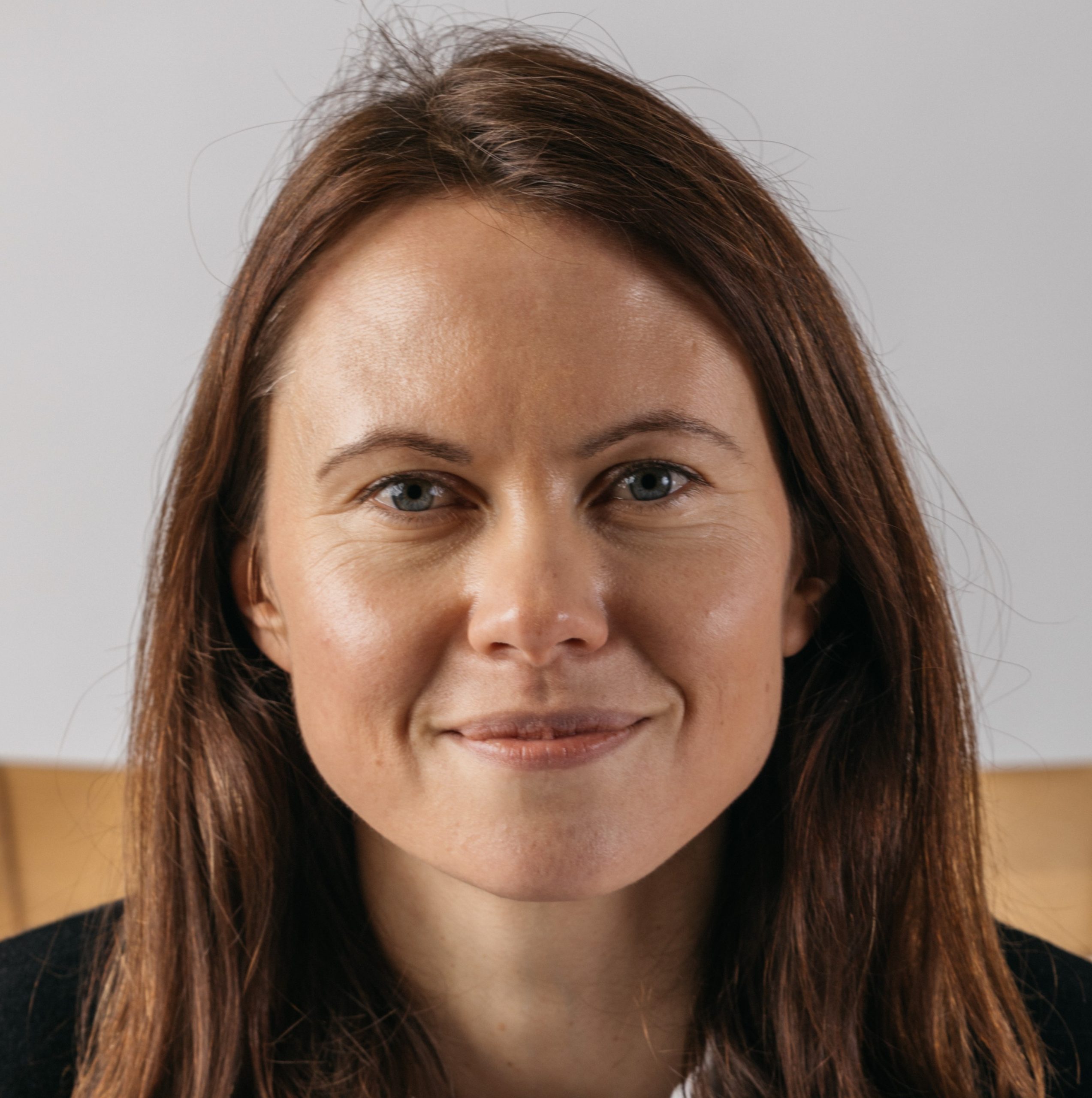
Ruta Ubarevičienė
senior researcher / human geographer
PROWD addresses the challenges of urban sprawl across European cities. Vilnius, as one of the case study cities, reflects these challenges – sprawling into surrounding areas that often lack infrastructure, connectivity, and cohesion. In these transitional zones, where rural traditions meet suburban lifestyles, social tensions and environmental pressures emerge. For me, PROWD is about finding smart, inclusive ways to guide this growth – ensuring thriving communities, balanced development, and respect for nature. Together, I believe we can shape more harmonious urban futures.
Contact us
Reach out to us for more information regarding PROWD or to get involved with our other projects.